

From static images that showcase a development to interactive 3D experiences that help buyers explore and understand its spaces.
Beautiful architectural renderings help buyers picture a home or condominium before construction is complete. But once they become interested,
their questions go further. How close is this building to the garden? Where are the shared facilities? How do different parts of the development connect?
Answering with static images may require several views and some imagination. A real estate 3D simulator helps bridge that gap. It provides an interactive
model with selectable areas and viewpoints, allowing the presentation to follow what buyers want to know.
FROM VIEWING IMAGES TO EXPLORING TOGETHER
With static renderings, sales teams guide buyers through a selection of prepared views. A 3D simulator lets them explore further as questions arise, using the features developed for each project. For example, when a buyer asks about the swimming pool, the salesperson can start with the masterplan, select the facilities area, and change the viewpoint to show its position relative to the building of interest. Buyers can understand both what the space looks like and where it sits. Renderings remain valuable for conveying design and atmosphere. Interactive 3D visualisation adds the freedom to explore details, making the presentation a conversation in which buyers and sales teams find answers together.
MAKING PROJECT FEATURES EASIER TO EXPLAIN
For property developers, some selling points become clearer when buyers see the wider layout. These might include buildings arranged around
a garden or connections between residences and shared facilities. A 3D model gives sales teams a direct visual way to explain these ideas.
International buyers and those unfamiliar with the location can use the same visuals as a shared reference. Where surrounding-area information
is included, the system can also show the project’s location and nearby destinations. This supports explanations across language differences.

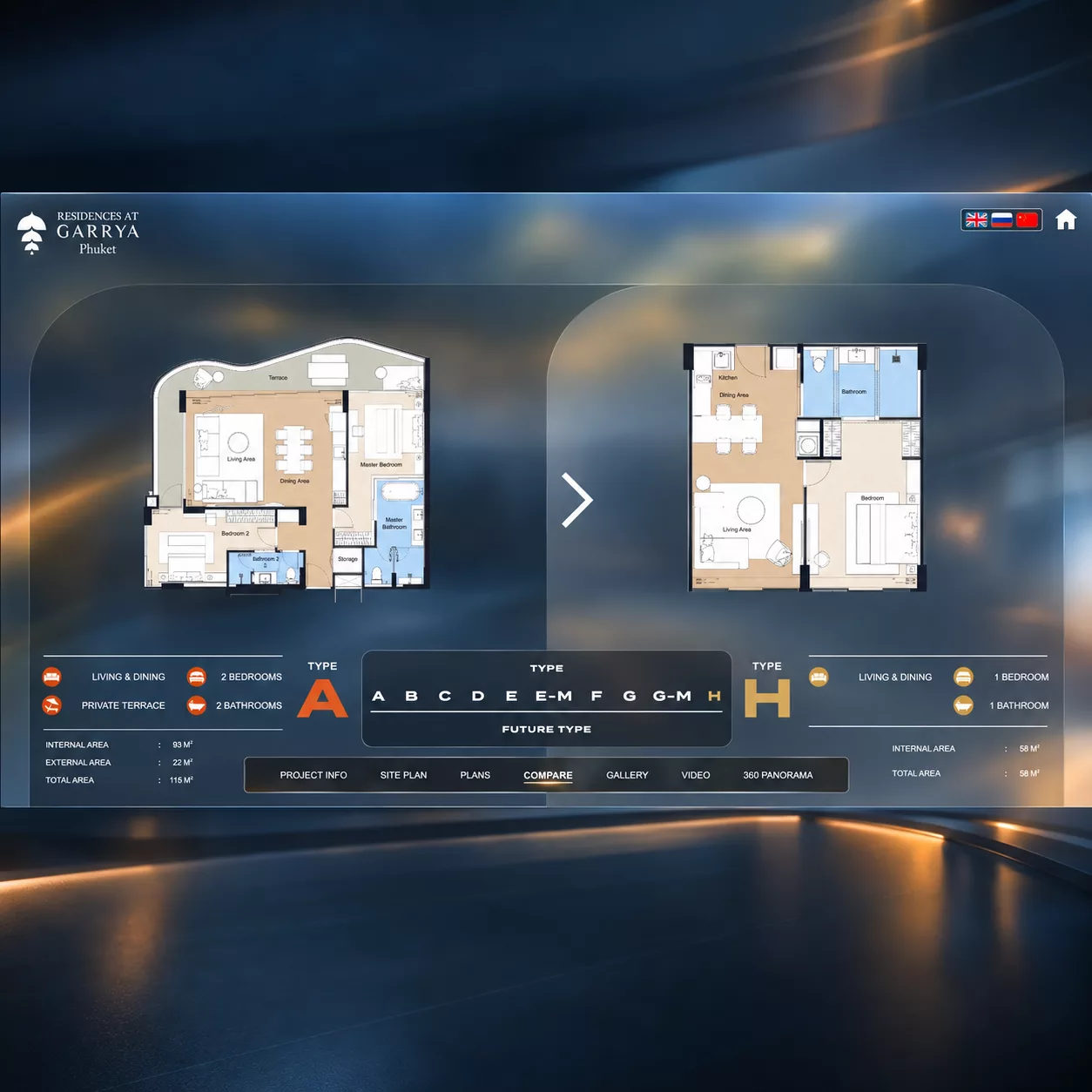
At DEC MEDIA, our approach to 3D simulator design brings project visuals and information together in an easy-to-follow structure,
with navigation that helps sales teams find what they need to present.
The key change is how buyers understand a development. They can explore, ask questions, and see the answers on screen, while sales teams
can shape each presentation around the individual buyer’s needs.
